


Bold Flavor. Wild Origin.
Canopy-Crafted by Apis Dorsata
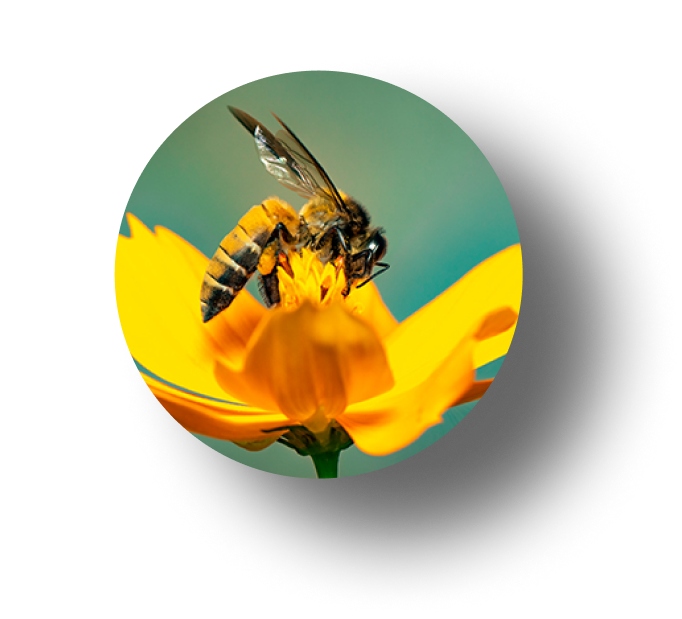
High in Malaysia’s rainforest canopy, Apis Dorsata forages where few bees can—drawing from a wider spectrum of wild botanicals that shape Tualang honey’s depth, aroma, and naturally occurring botanical compounds. Their long-range flights and migratory rhythms aren’t trivial; they’re the reason this honey is both rare and unmistakable.
Meet our Pure Tualang Honey—wild, limited, and an enjoyable part of a balanced lifestyle.
Pure Tualang Honey, Canopy-Crafted
Taste the Beauty!


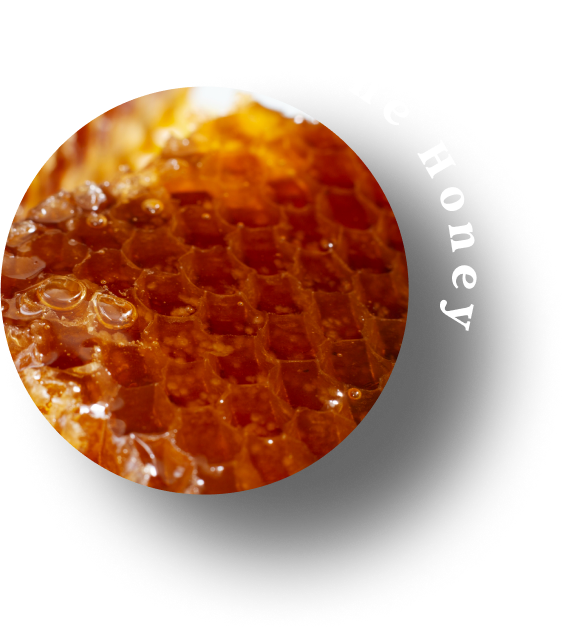
Rare rainforest honeys - bold flavor & wild origin
Explore ALL RAINFOREST HONEYS
Pure Stingless Bee Honey
Kelulut - Sour Honey - Meliponi


The Forest Behind the Flavor
Every jar begins in a living rainforest. These blooms and forest sources help shape the aroma, color, texture, acidity, and tasting character of Apis Lux honey — one harvest window at a time. Here are just a few of the rainforest blooms and trees that help shape the character of each harvest.


Koompassia Excelsa
Tualang Tree
A towering rainforest tree associated with high-canopy Apis dorsata hives and deep, complex honey character.


Gelam Tikus / Melaleuca Cajuputi
Tea Tree
Known for soft citrus, tea-tree florals, gentle herbal notes, and a clean finish. When bees work these blooms, the honey can take on a bright aromatic profile with subtle woody depth.


Elaeocarpus or Guioa
Senyamok, Guioa
Part of the diverse tropical forest mosaic that gives rainforest honey its sense of place. As bees move through changing bloom windows, sources like Guioa may contribute subtle floral character, color variation, and harvest-to-harvest nuance.


Mimosa Pudica
Sensitive Plant, Touch-me-not
Known for leaves that fold when touched and small pink-purple flower heads, Mimosa pudica brings understory movement and color to tropical landscapes. In a bloom guide, it represents the smaller flowering plants that add texture to the rainforest’s seasonal forage.


Muntingia Calabura
Strawberry Tree
Produces small white flowers and bright red fruit in tropical lowland settings. As part of a broader rainforest bloom landscape, it adds to the seasonal forage that can shape a honey’s aroma, color, and soft fruit-like tasting impressions.


Pometia Pinnata
Fiji Longan
A large tropical canopy tree with clustered cream, green, or golden flowers. Its flowering and fruiting cycles help tell the story of rainforest variety, seasonal bloom timing, and the layered character of wild honey harvests.
Enlightenment from the Forest's Edge Blog
-

Why is Stingless Bee Honey so important...It should beeee!
Trigona bee honey, also known as stingless bee honey, is a unique type of honey that is produced by stingless bees found in tropical regions around... -

What is Medicinal Honey?
Medicinal honey isn’t a miracle cure, but certain raw honeys – like Tualang, stingless bee and Manuka – are being closely studied for their natural... -

Which Honey Is Best for Health?
If you’ve ever typed “Which honey is best for health?” into a search bar, you’re not alone. In this guide, we’ll look at what actually makes a hone...


